DEMG.ai
THE PLAYBOOKS

Build the system.
Own the outcome.

Daily playbooks for owner-operators implementing AI marketing systems. Tactics, frameworks, case work — written for builders who'd rather ship the system than read about it.

60 articles published · 10/day target · Updated daily

Productize or Die: The Packaging Playbook That Turns Consulting Hours Into a Scalable Offer
Tactical

Productize or Die: The Packaging Playbook That Turns Consulting Hours Into a Scalable Offer

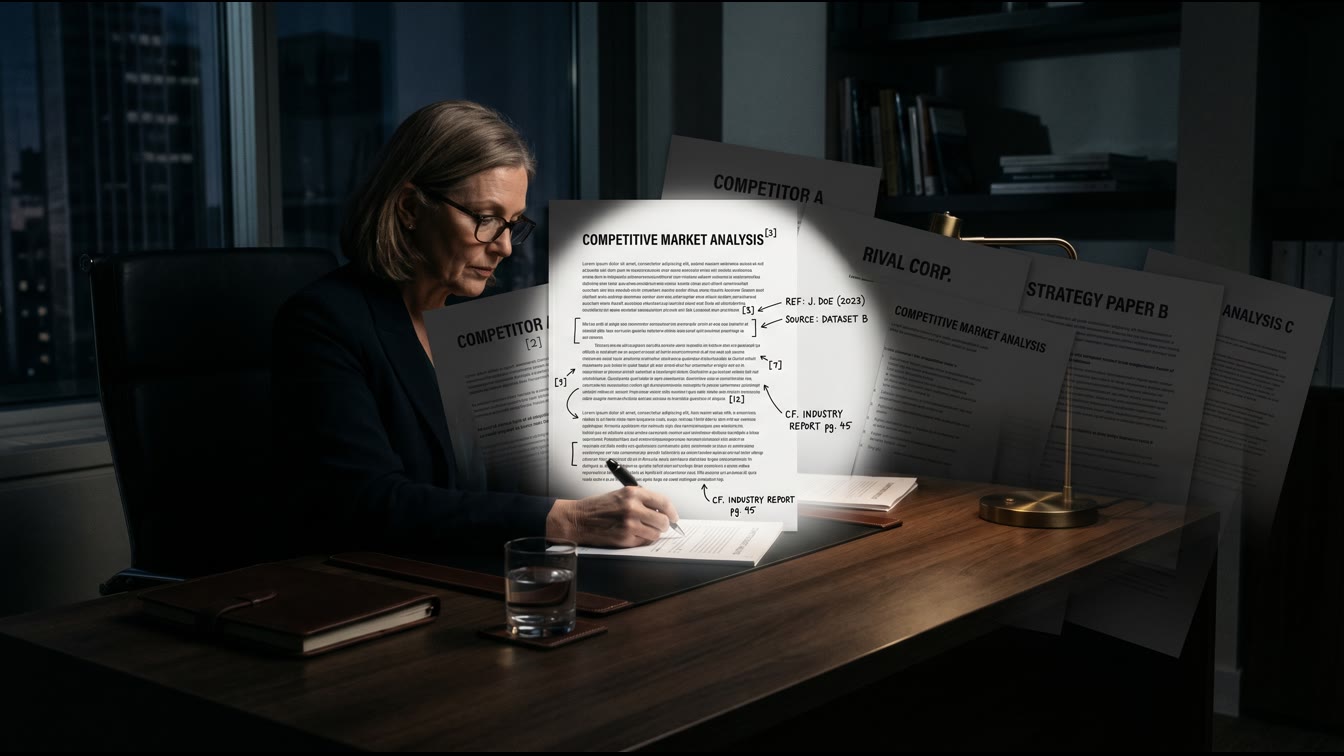
You've hit the wall. Custom consulting caps at $1.5M to $2.5M revenue because the founder is the bottleneck for sales, scoping, delivery, and quality. Scaling beyond that requires structural change: a four-step offer stack that transforms time-for-money into repeatable, margin-rich packages. This is how you productize—and why it matters more than raising rates.

May 15, 2026 8 min read

AI Merchandising Engine: How Lean Ecom Brands Automate Bundles, Upsells, and PDP Copy
Tactical

AI Merchandising Engine: How Lean Ecom Brands Automate Bundles, Upsells, and PDP Copy

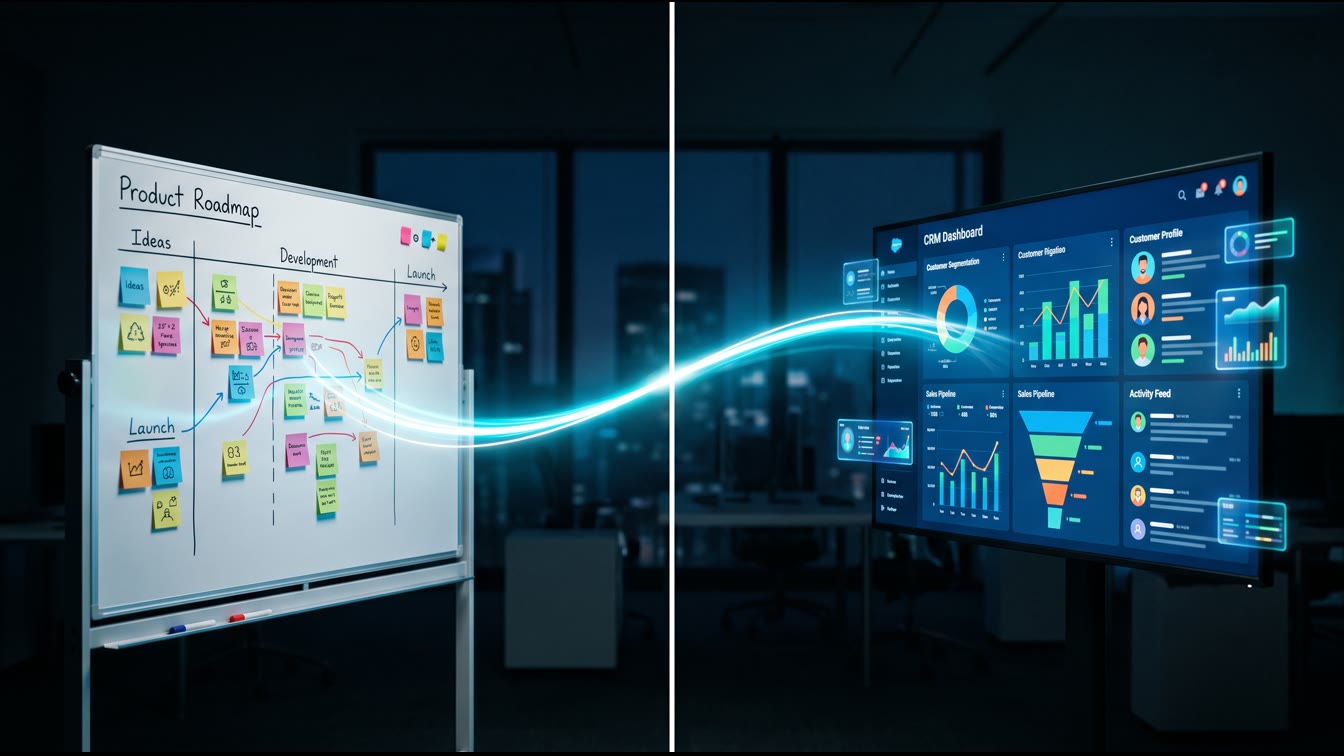
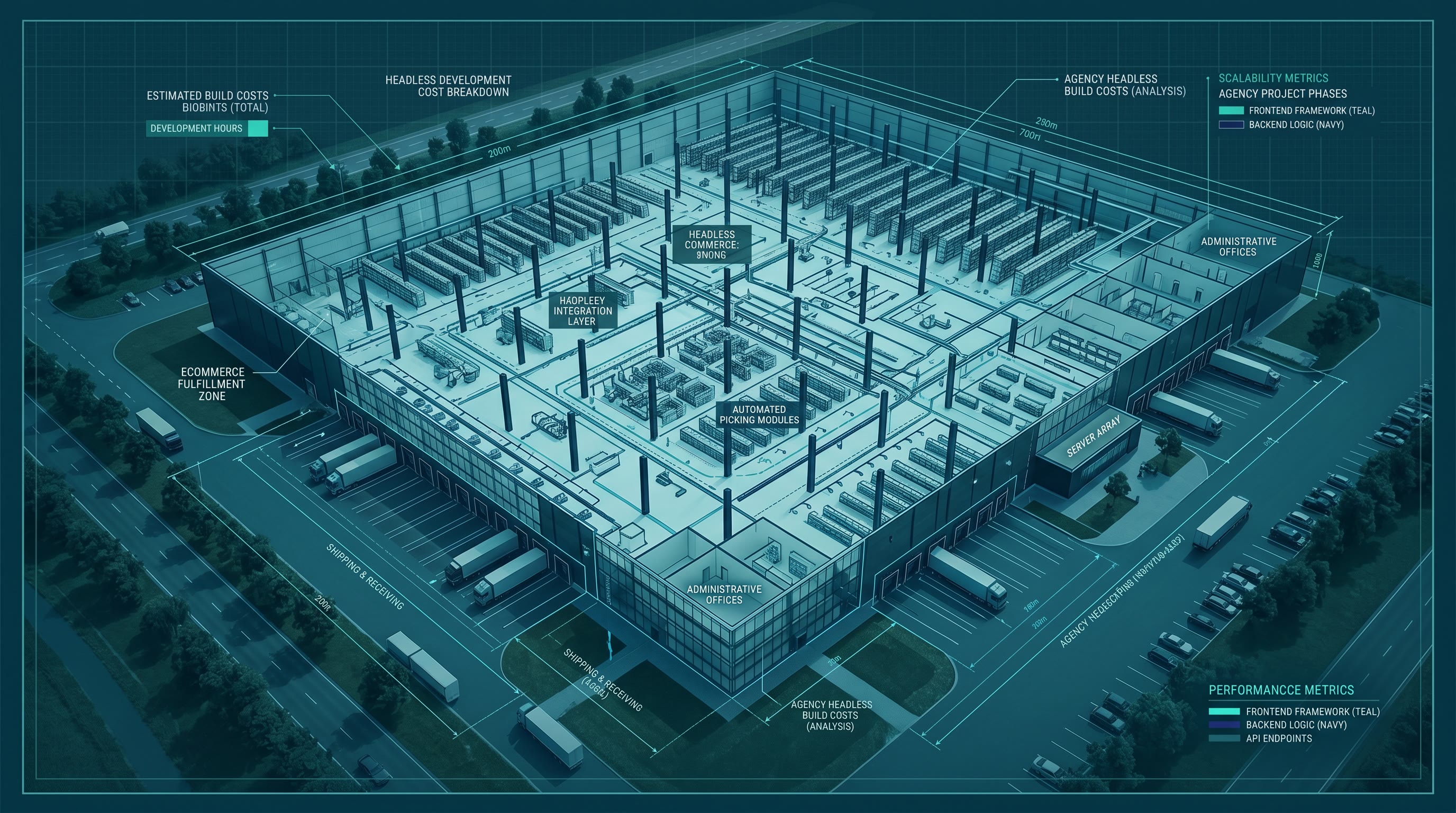
Merchandising used to mean hiring a full-time person to manually write product descriptions, test bundle combinations, and sequence upsells. That person's salary? $50K-$80K annually. Now AI does it in minutes. Lean ecommerce brands under $5M revenue are cutting merchandising workload from 20 hours per week to 3, while lifting AOV by 20-35% and conversion rates by 17%.

May 14, 2026 7 min read
AI Pricing Playbook: How Agencies Should Reprice Retainers in the Age of AI Output
Tactical

AI Pricing Playbook: How Agencies Should Reprice Retainers in the Age of AI Output

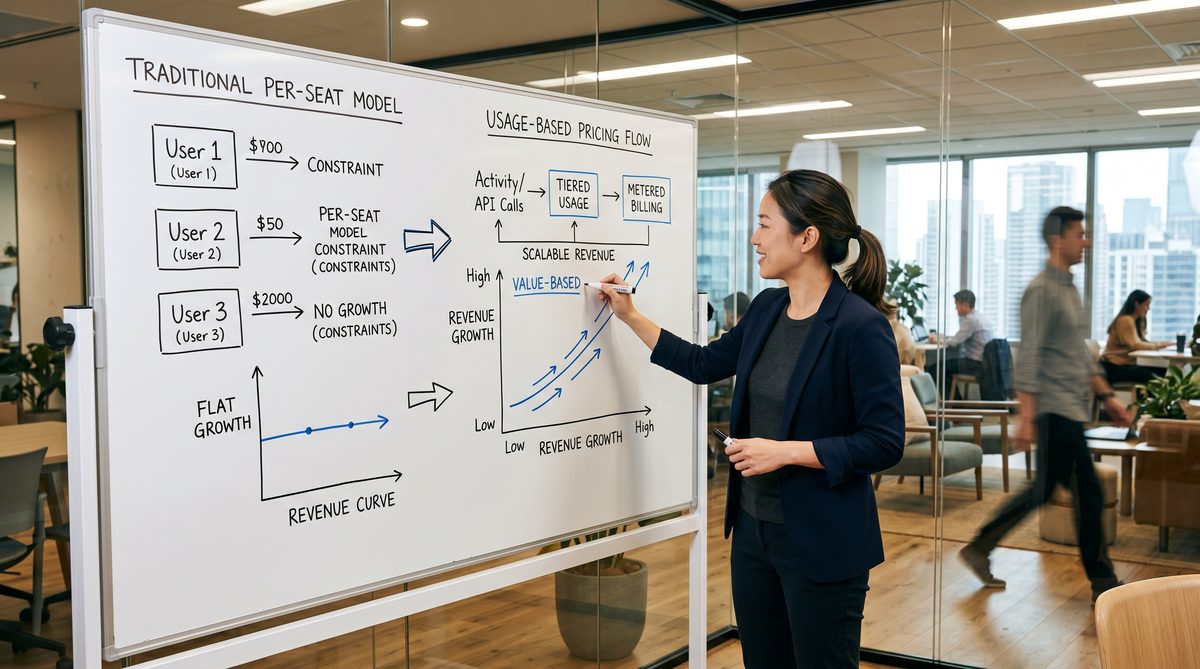
Most agencies still charge 2019 rates while delivering 2026 output. A campaign brief that took 6 hours now takes 90 minutes. A monthly report that consumed 4 hours now takes 30. Yet retainer pricing hasn't moved. The result: margin collapse. One agency owner watched her net margin fall from 38% to 12% in three years on the same client set. The work didn't change. The pricing model did. This playbook covers three repricing strategies—value-based, output-tiered, and hybrid—with field-tested math on how to expand margins without triggering churn.

May 14, 2026 6 min read
Operator's Verdict: Claude Artifacts vs. ChatGPT Canvas for Building Client-Facing Deliverables
Operator's Verdict

Operator's Verdict: Claude Artifacts vs. ChatGPT Canvas for Building Client-Facing Deliverables

Claude Artifacts and ChatGPT Canvas both promise to speed up your client work. But they solve different problems. One excels at precision edits and document polish. The other crushes interactive prototypes and live feedback. After running both through real operator scenarios—strategy decks, standard operating procedures, client reports—the verdict is clear: your choice depends on whether you ship documents or build interactive tools.

May 14, 2026 6 min read
The Build-to-Sell Readiness Matrix: Score Your Business Before You Need a Buyer
Case Study

The Build-to-Sell Readiness Matrix: Score Your Business Before You Need a Buyer

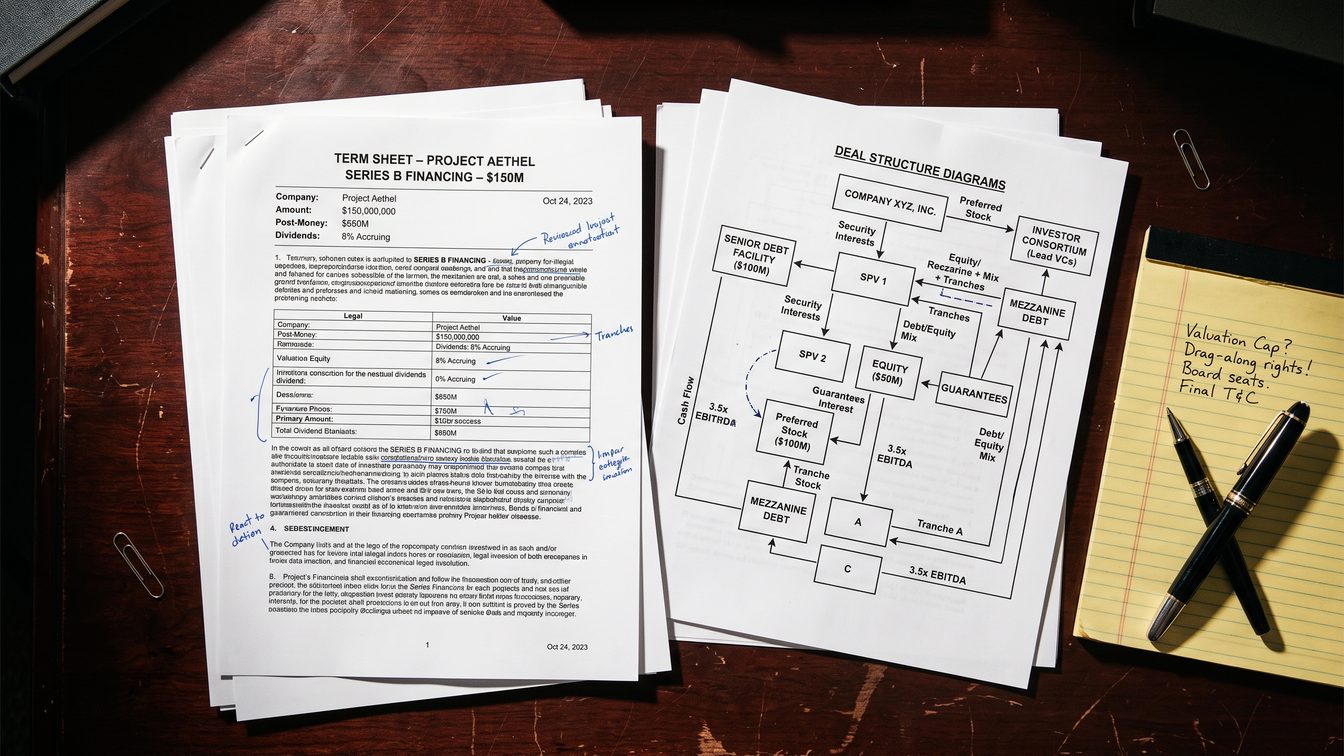
Most founders don't learn their business has fatal gaps until buyers are in the room. By then, corrections cost months and millions in lost valuation. The Build-to-Sell Readiness Matrix scores 12 variables across operations, revenue quality, team dependency, and documentation depth. It tells you—in advance—exactly where you're selling at a discount.

May 14, 2026 8 min read

Doctrine Says: Hiring Feels Like Growth But It's Just Complexity
Doctrine

Doctrine Says: Hiring Feels Like Growth But It's Just Complexity

Every owner-operator faces the same pressure: revenue climbs, so hire someone. The math feels obvious. Revenue up means you need more hands. But this doctrine masks a dangerous trap: hiring before systems exist is like adding weight to a sinking engine room.

May 14, 2026 5 min read
Tactical Audit: The AI Customer Success Playbook — Why Agentic Workflows Break at Scale
Tactical Audit Tactical Audit

Tactical Audit: The AI Customer Success Playbook — Why Agentic Workflows Break at Scale

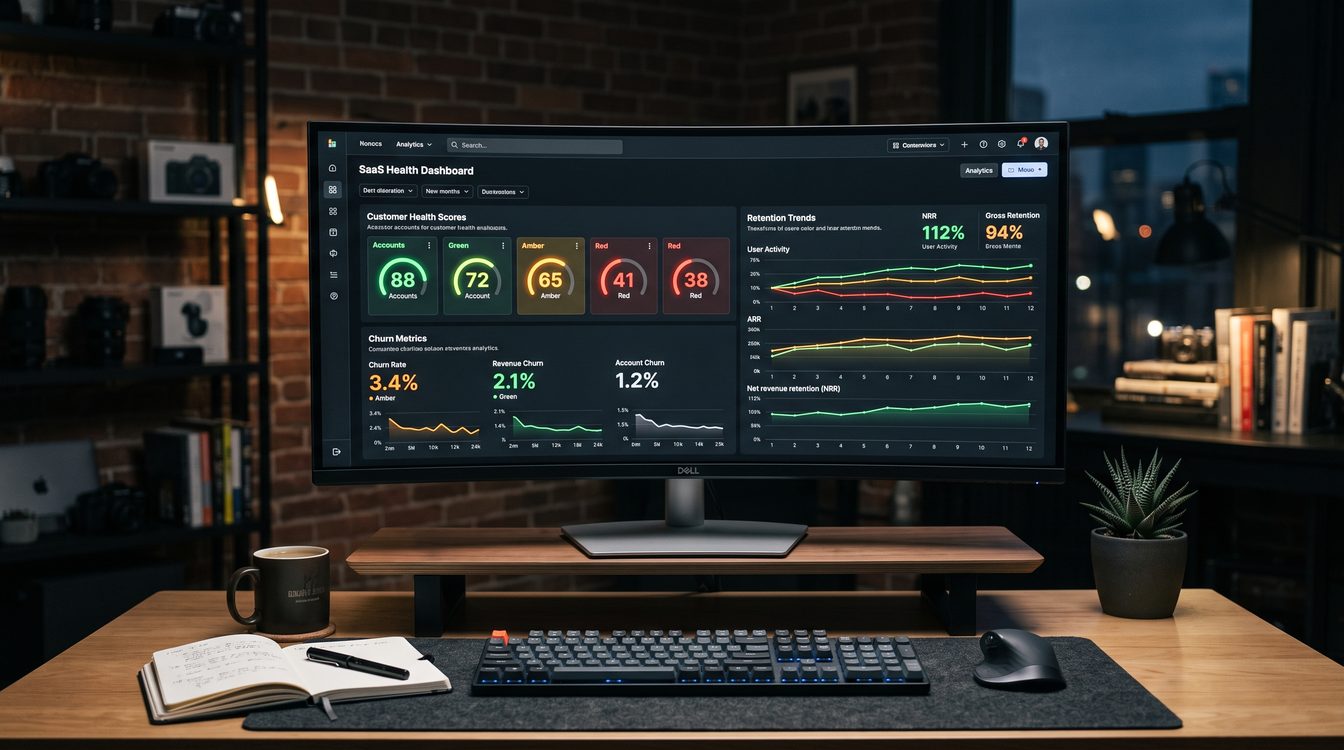
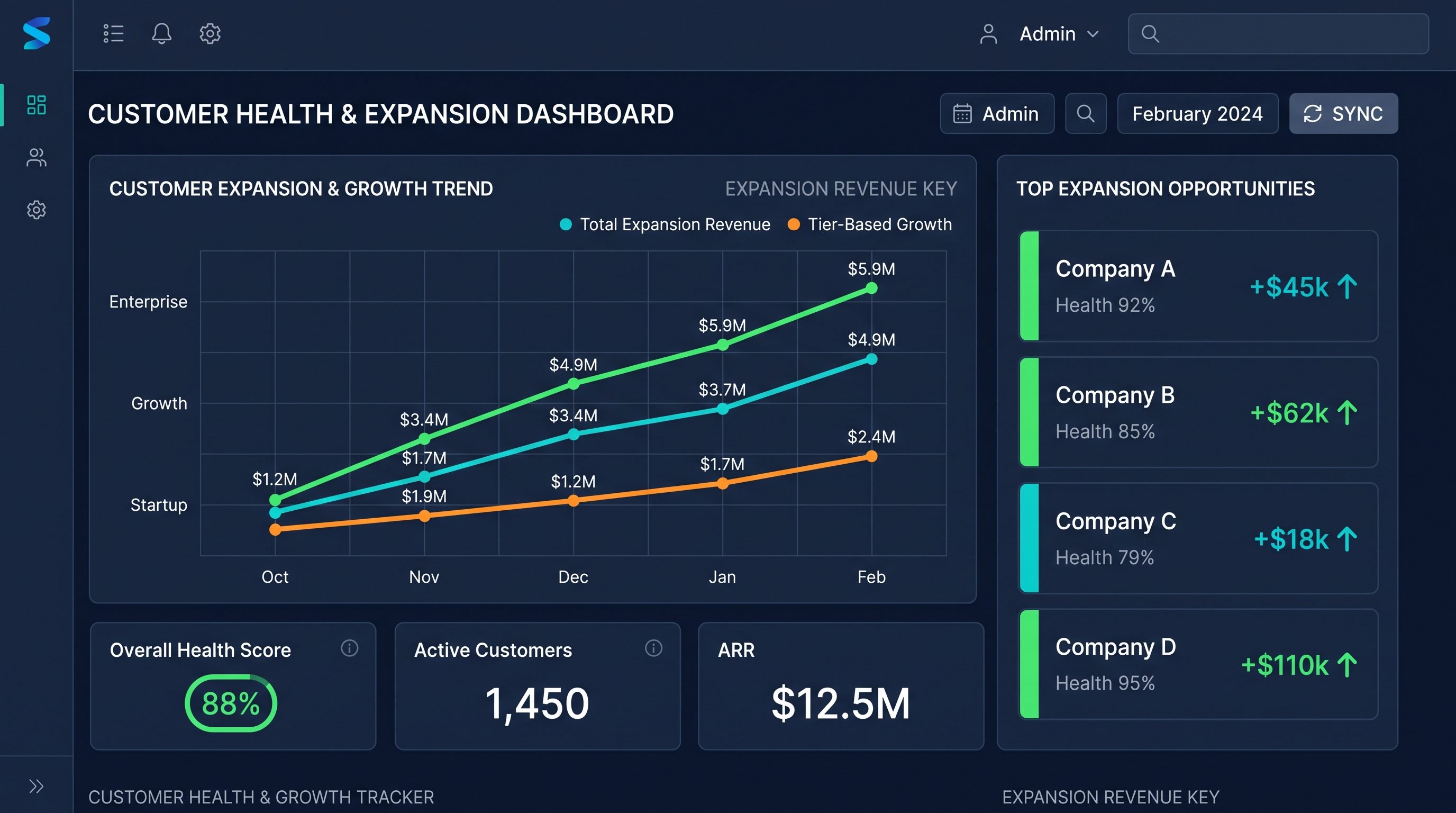
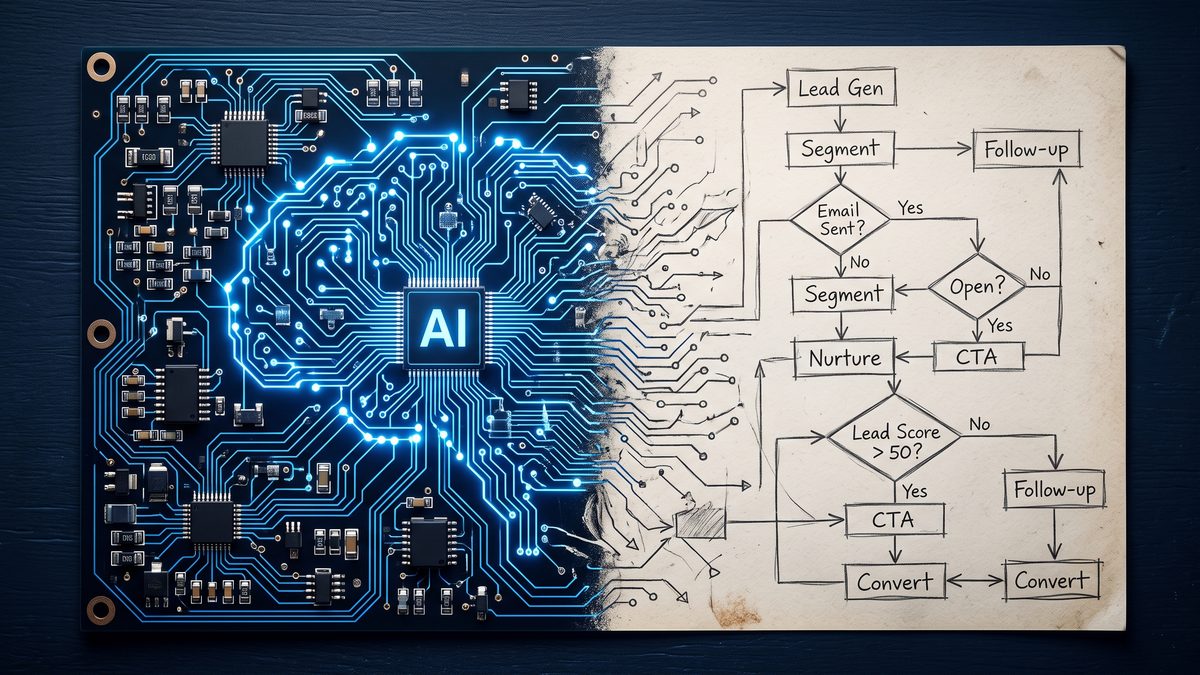
Customer success teams are drowning in reactive work — and the agentic workflows that can automate health scoring, proactive outreach, and renewal signals are already deployable. This tactical audit applies the Sovereignty Stack framework to show exactly how to build an AI-powered customer success operation that reduces churn without adding headcount.

May 14, 2026 9 min read
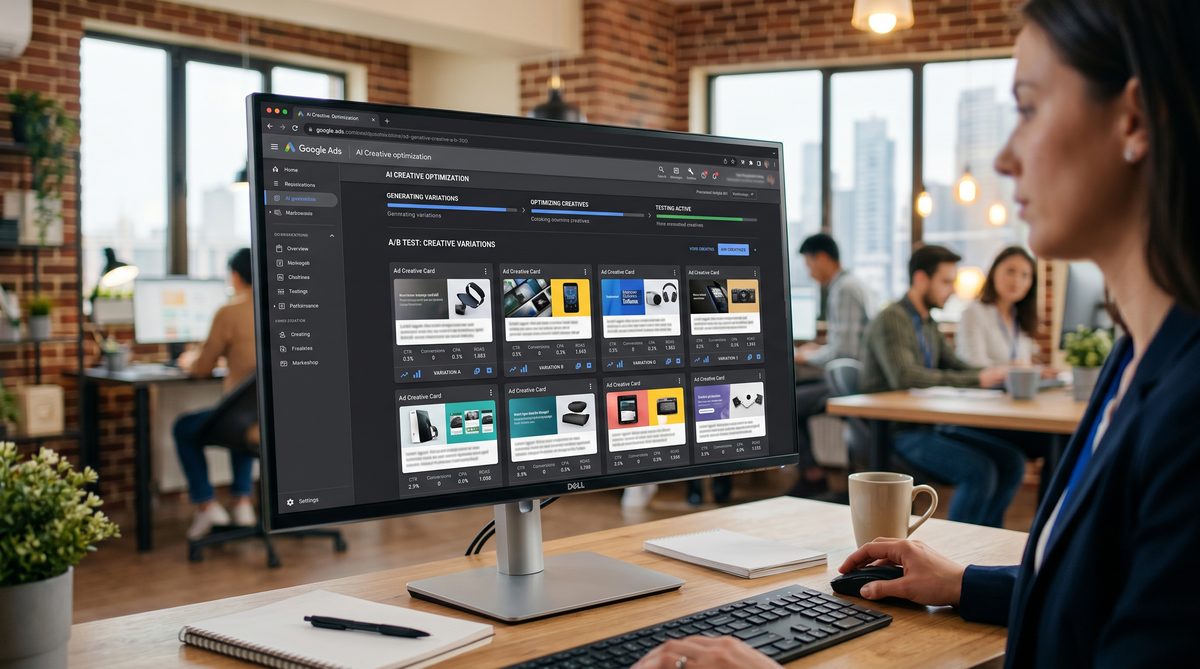
Operator's Verdict: Google AI Max — Does Automated Creative Actually Replace Your Team?
Operator's Verdict The Operator's Verdict

Operator's Verdict: Google AI Max — Does Automated Creative Actually Replace Your Team?

Google AI Max promises higher conversion through automated creative — but handing creative control to an algorithm is a strategic decision, not just a platform setting. This Operator's Verdict runs Google AI Max through the FOCUS Strategy framework to give you a clear-eyed assessment of what the automation actually delivers and where human oversight remains non-negotiable.

May 14, 2026 8 min read

How to Win AI Overviews: The SaaS Content Playbook for Zero-Click Search
Tactical AI Content

How to Win AI Overviews: The SaaS Content Playbook for Zero-Click Search

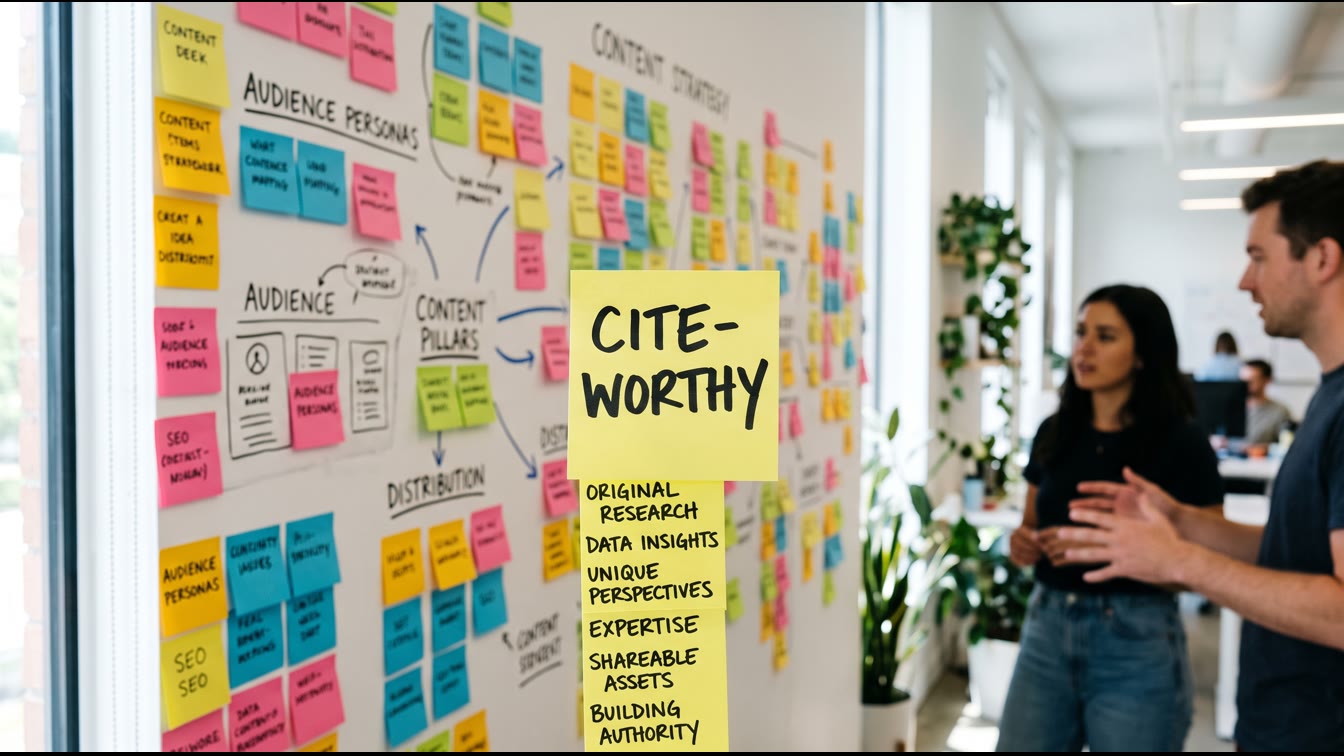
AI Overviews have restructured search — users now get answers without clicking, which means SaaS brands that built traffic on SEO clicks are losing ground fast. The ATLAS Model provides a content architecture for winning citations in AI Overviews so your brand earns visibility and authority in zero-click search, even when the click never comes.

May 13, 2026 8 min read

The First-Party Data Pivot: Why Consultants Who Build Data Ecosystems Win When Cookies Die
Tactical Funnel Strategy

The First-Party Data Pivot: Why Consultants Who Build Data Ecosystems Win When Cookies Die

Third-party cookies are being deprecated and the consultants still relying on rented audience data are building on sand. The first-party data pivot is not optional — it is the foundational infrastructure move that separates consultants who will own their growth from those who will outsource it. The Data's DNA framework provides a structured path to building data assets you control.

May 13, 2026 10 min read
Agentic Commerce: How AI Shopping Agents Became the Highest-Converting Sales Channel
Tactical Funnel Strategy

Agentic Commerce: How AI Shopping Agents Became the Highest-Converting Sales Channel

AI shopping agents are no longer a future scenario — they are the fastest-growing conversion channel in ecommerce right now, researching products, comparing options, and completing purchases without human input. Merchants who optimize for agentic commerce using the Owner's Exit Engine framework will capture this channel; those who do not will find their conversion rates eroding as buyers delegate purchasing to AI.

May 13, 2026 9 min read
The Doctrine Says: Strategy First, Tools Never

The Doctrine Says: Strategy First, Tools Never

Most operators buy the tool before they have the strategy, then wonder why the results are mediocre. The Doctrine is clear: strategy is the constraint that makes every tool more effective. Without the FOCUS Strategy framework guiding your decisions, you are just collecting expensive software licenses.

May 13, 2026 6 min read
Tactical Audit: The Social Media Manager Playbook — Why Agencies Should Build Systems Instead of Hiring
Tactical Audit Tactical Audit

Tactical Audit: The Social Media Manager Playbook — Why Agencies Should Build Systems Instead of Hiring

Every agency owner has done it or thought about it: hire a social media manager, hand off the content calendar, and get back to running the business. The playbook sounds clean. In practice, it creates a single point of failure dressed up as a department. This Tactical Audit examines the traditional SMM model against a system-based content operation — and shows why agencies building toward exit need to be thinking about the latter.

May 12, 2026 9 min read
Pricing Page Psychology for B2B SaaS: The 3-Tier Framework That Maximizes ACV
Tactical Funnel Strategy

Pricing Page Psychology for B2B SaaS: The 3-Tier Framework That Maximizes ACV

Most B2B SaaS founders treat their pricing page like a menu. It's not a menu. It's a psychological architecture that either pulls customers toward your highest-value tier or bleeds ACV you'll never get back. This article breaks down the three-tier framework — built on anchoring, the decoy effect, and loss aversion — that owner-operators can implement this week to move 20% of customers up-tier, increase average contract value, and build a pricing structure that directly improves valuation multiples at exit.

May 11, 2026 8 min read

How Ecom Brands Use AI-Generated Product Descriptions That Actually Convert
Tactical AI Content

How Ecom Brands Use AI-Generated Product Descriptions That Actually Convert

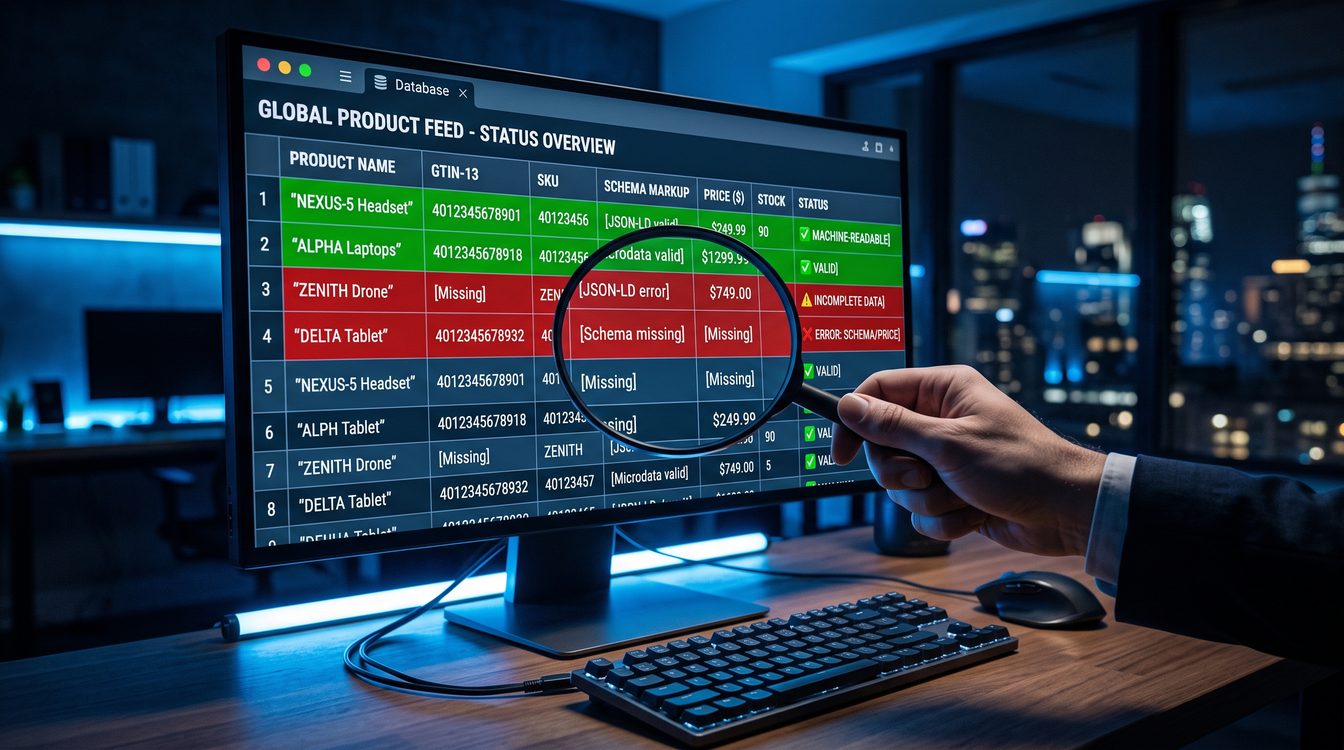
Most AI-generated product descriptions fail for the same reason most investor pitches fail: they're generic. The tools aren't the problem. The inputs are. Brands that use customer review data and search query signals as the raw material for AI copy are seeing conversion lifts of 7% to 23%. The ones that just type 'write me a product description for a leather wallet' are getting exactly what they deserve — forgettable output that doesn't move product. This article shows you the system: how to collect the right data, build prompts that force specificity, A/B test the output, and run the math on what a 10% conversion lift is actually worth to your store.

May 11, 2026 9 min read

The AI-Powered Review Response System That Turns 1-Star Reviews Into Retention
Tactical AI Content

The AI-Powered Review Response System That Turns 1-Star Reviews Into Retention

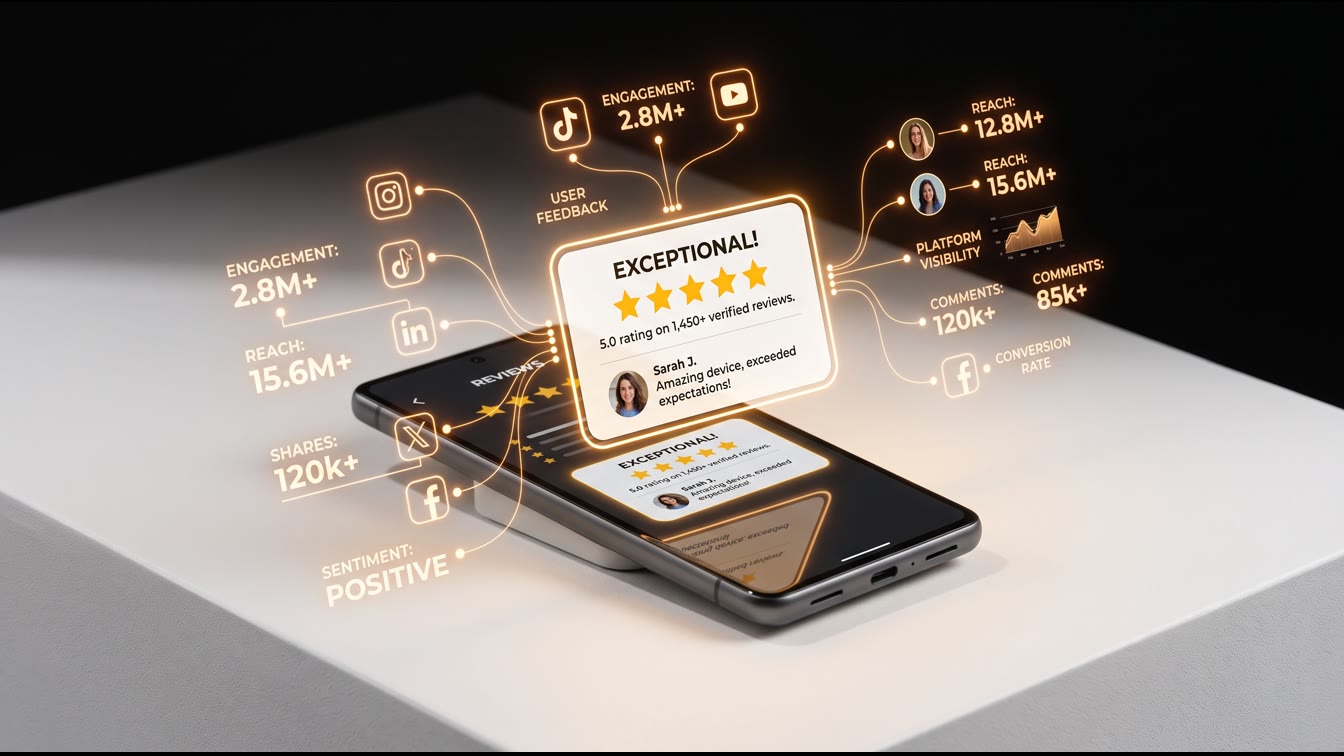
A 1-star review hits your Google listing at 11 PM on a Tuesday. Your phone buzzes. You feel the gut-punch. And then you do nothing, because you're exhausted and emotional and you don't know what to say. That gap — between review posted and response sent — is costing you customers. Specifically, 30 customers per unaddressed negative review, according to ReviewTrackers data. This article shows you exactly how to build an AI-powered review response system that monitors every major platform, drafts a response within minutes, routes it through a fast human approval gate, and posts before the damage compounds. No agency required. No emotional reactions. Just a procedure that fires every time.

May 11, 2026 9 min read

Case Study: How a $4.5M SaaS Company Cut Customer Acquisition Cost by 62% in 9 Months Using the ATLAS Model
Case Study Case Studies

Case Study: How a $4.5M SaaS Company Cut Customer Acquisition Cost by 62% in 9 Months Using the ATLAS Model

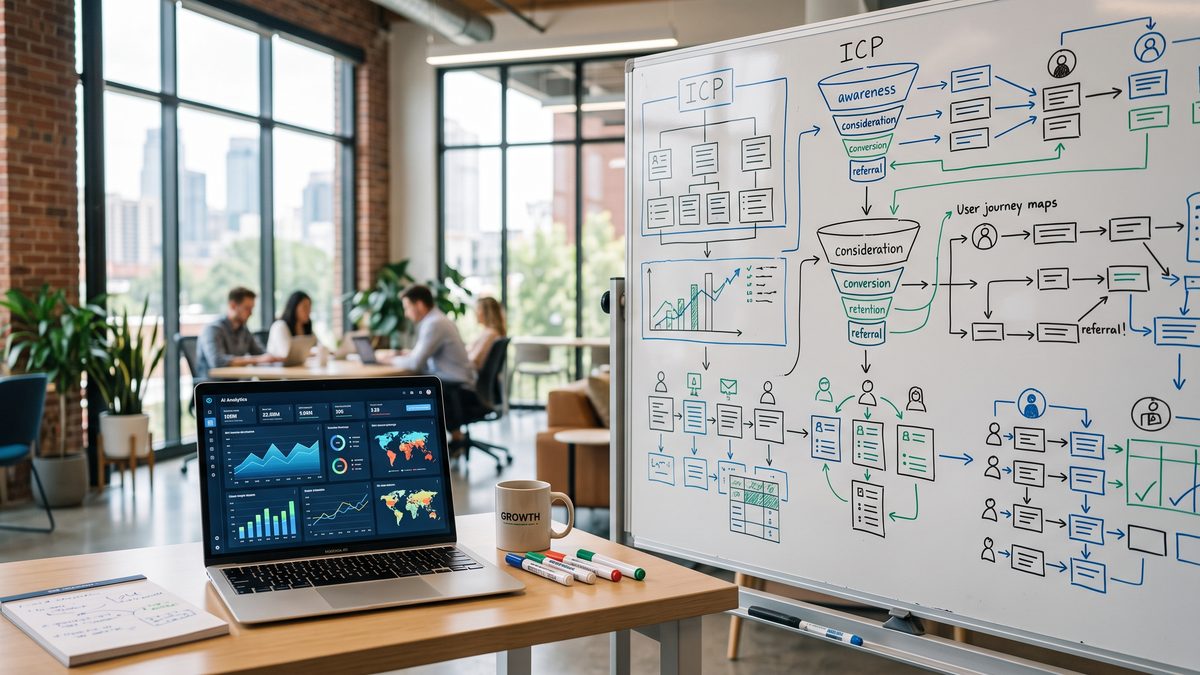
A $4.5M ARR vertical SaaS company serving property management firms was spending $1,840 to acquire each customer — nearly triple the SMB benchmark — while the founder worked every deal personally. LTV:CAC sat at 2.1:1. The math did not work. In nine months, applying the ATLAS Model for Growth systematically to every acquisition channel and sales motion, they cut CAC to $699, pushed LTV:CAC to 5.5:1, and dropped CAC payback from 26 months to 10. This is a teaching case study walking through exactly what they changed, in what order, and why the system — not any single tactic — produced the result. Specific numbers. Specific decisions. No vague improvements.

May 11, 2026 9 min read

The Doctrine Says: Why Most AI Marketing Tools Are Built for Marketers, Not Operators

The Doctrine Says: Why Most AI Marketing Tools Are Built for Marketers, Not Operators

Most AI marketing tools are engineered for marketing departments — teams with specialists, dedicated budgets, and someone whose entire job is learning the software. Owner-operators don't have that. You're the CEO, the closer, the content person, and the one who has to fix whatever breaks on a Tuesday afternoon. The tools weren't built for you. The onboarding wasn't designed for you. The pricing tiers aren't priced for how you actually work. This piece names the assumption gap embedded in the AI marketing landscape, explains why it's costing founder-operators time and money, and lays out what a real Sovereignty Stack looks like — infrastructure that runs whether you're in the room or not.

May 11, 2026 10 min read

Data's DNA: How Owner-Operators Decode the Signals Their Customers Leave Behind

Data's DNA: How Owner-Operators Decode the Signals Their Customers Leave Behind

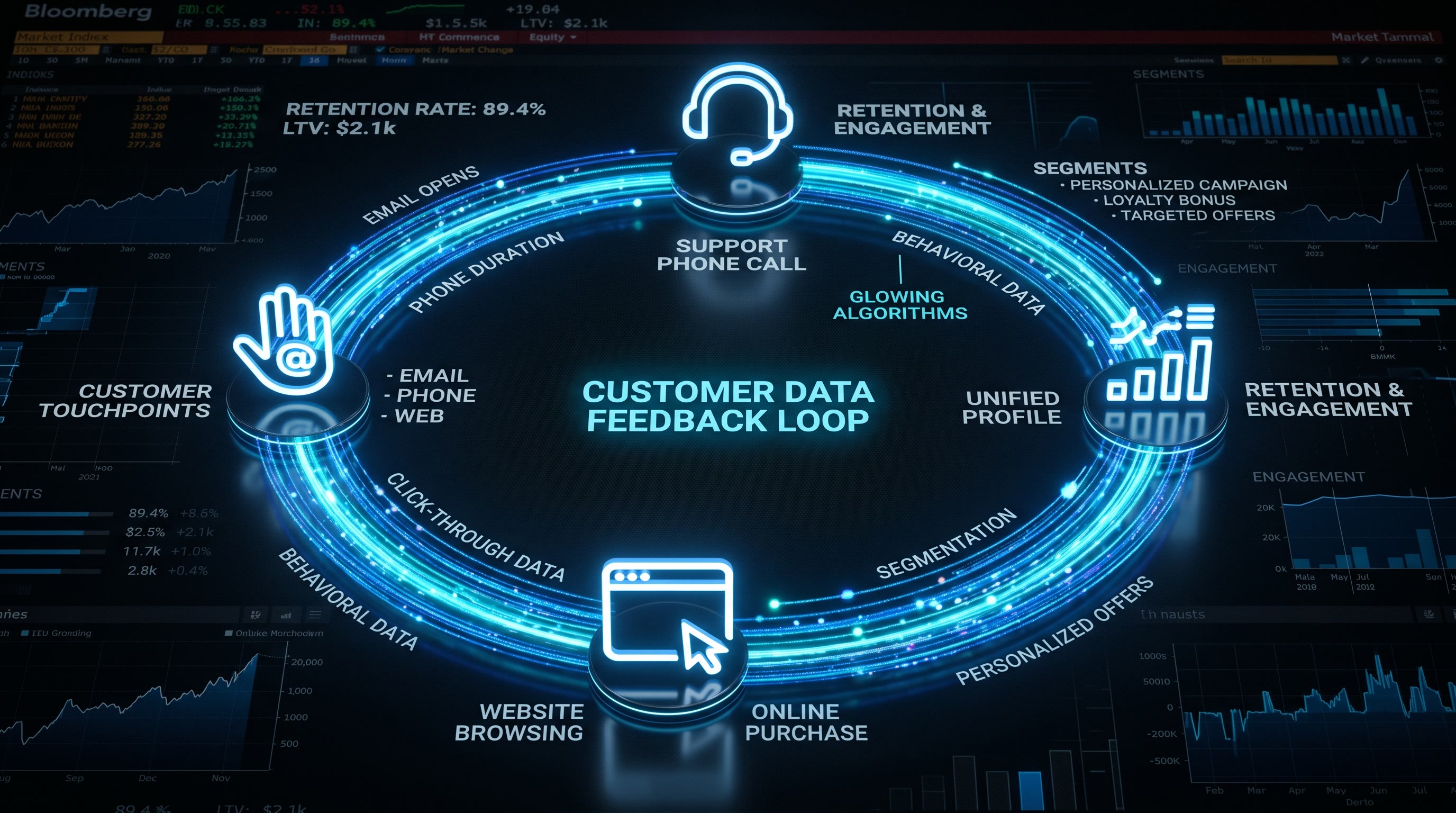
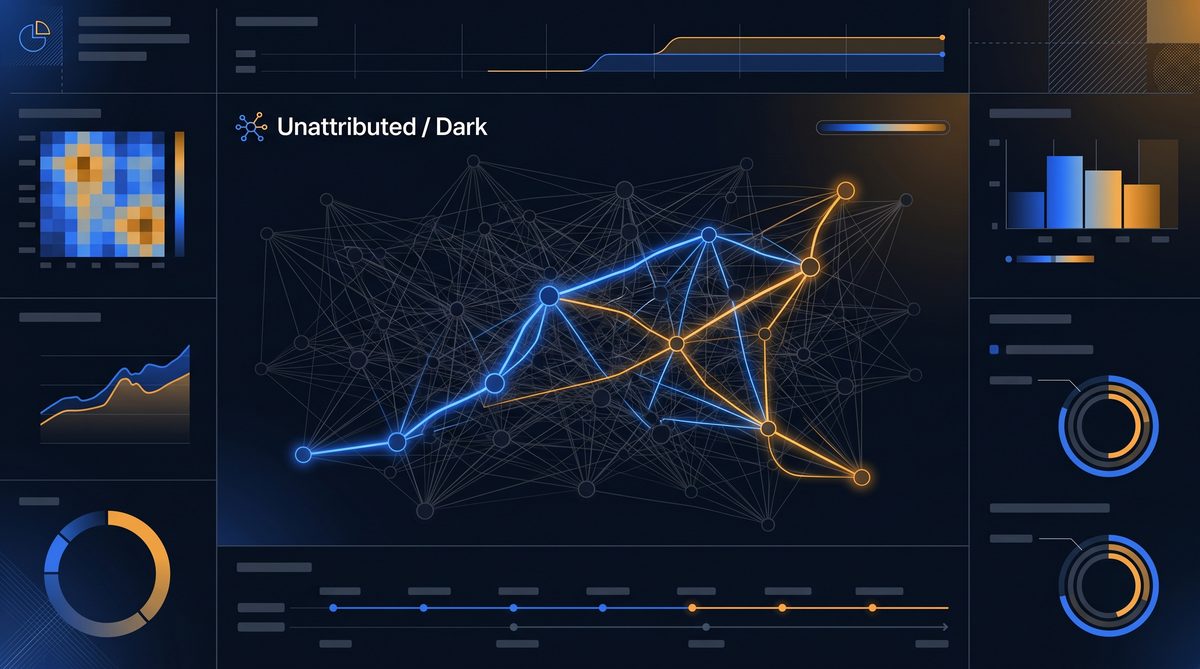
Data's DNA is Jeff Barnes' framework for systematically analyzing every signal your customers leave behind — clicks, purchases, silences, reviews, and the gaps between them. Most owner-operators sit on a goldmine of behavioral, transactional, engagement, and feedback data they never read. This framework treats customer data the way a submarine crew treats instrument gauges: every reading tells a story, and ignoring a gauge is how casualties happen. In this pillar piece, Barnes breaks down the five signal categories, shows how solo operators can implement this without a data team, and ties it to the non-negotiable doctrine of due diligence. If you're running a business and not reading your data, you're not doing due diligence on your own company.

May 11, 2026 12 min read

THE WEEKLY PLAYBOOK

One marketing tactic in your inbox every Monday.
Without the fluff.

Real frameworks. Real numbers. Real implementations. Built for owner-operators who'd rather ship than scroll.

Free. No spam. Unsubscribe anytime with one click.