
TL;DR: McGuinn Homes grew from $80M to $200M in revenue over seven years, drew six serious offers, and sold to Clayton Home Building Group, the Berkshire Hathaway homebuilding arm, which is folding the company into its Mungo Homes platform (HousingWire, July 1, 2026). The founder wasn't broke, tired, or forced out. He sold at the top, on his terms, because he built something buyers wanted to fight over.
Most owners sell because they have to. McGuinn Homes sold because it could. That's the entire lesson in one sentence. Everything below explains how a four-decade-old regional builder in Columbia, South Carolina turned a slow-growth family business into a six-bid auction and walked away with a strategic buyer instead of a rescue package.
I spent time in the Navy before I built and sold companies. You learn one thing fast on patrol. The ship that gets boarded is the ship that stopped moving. Nobody hunts a vessel that's still running full speed with a disciplined crew.
Buyers don't chase distressed sellers with real leverage; they chase operators who don't need the money. McGuinn Homes didn't need Clayton's cash. That's exactly why Clayton showed up with five other bidders standing behind them.
The Numbers Behind the Headline
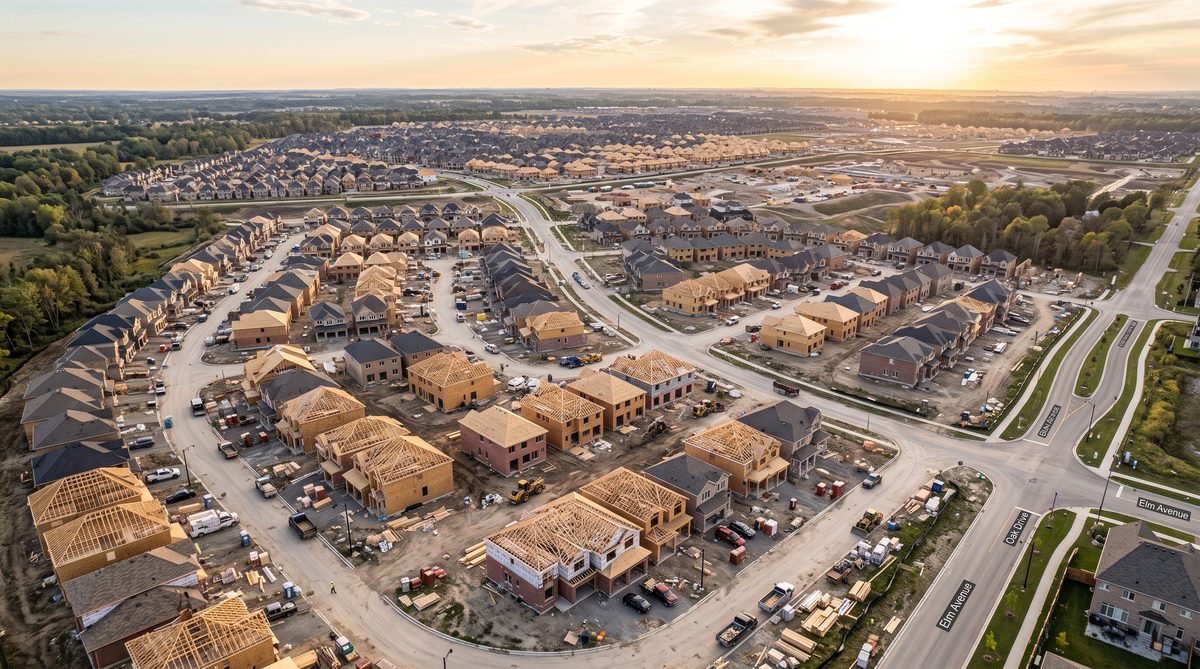
McGuinn Homes went from roughly $80 million in revenue to $200 million in seven years. Production scaled from about 200 homes a year to nearly 1,000. Builder Magazine's 2026 rankings put the actual 2025 close count at 993 homes, landing McGuinn at No. 65 on the Builder 100 list.
That's not organic drift. That's a deliberate operating system running for seven straight years without breaking.
The company stayed anchored to attainable, market-rate housing the entire time. Townhomes started around $180,000. Single-family homes started around $232,000, according to Homes.com's coverage of the deal.
No luxury pivot. No chasing margin by chasing richer buyers. Founder Wade McGuinn built a machine that served first-time buyers at scale, in a market where most builders had already walked away from that customer.
Scale like that doesn't happen by accident. It happens when the founder builds systems that don't depend on him showing up every day. I've written before about how founder dependency costs you 20 to 50 percent of your valuation at exit.
McGuinn didn't take that discount. He built regional divisions with local leadership, each one running its own numbers under CEO Nate Gibson. That's the difference between a job with a good title and a company someone else wants to own.
Six Offers Is Not a Number, It's a Verdict
Here's what most owners get wrong. They think a good sale means finding one buyer willing to pay a fair price. McGuinn ran a structured process and pulled in six serious offers.
Multiple confidentiality agreements. Formal bids. A real competitive field, not a single term sheet from a friend of a friend.
Whelan Advisory ran the process as McGuinn's exclusive financial advisor. CEO Margaret Whelan told Homes.com the decision came down to cultural fit more than price. Mungo's headquarters sit twelve miles from McGuinn's, and the two companies already knew each other in the market.
Proximity mattered. Culture mattered more. Price came in fifth on McGuinn's own list of five decision criteria, according to HousingWire's reporting on the deal.
Read that again. Price ranked fifth, not first. The man who built this company from $80 million to $200 million had the luxury of ranking price last because every other box was already checked.
That's what a real Owner's Exit Engine produces. Not just a payday, but the ability to choose your buyer instead of begging one to show up. If you're stacking up cash offers and none of them let you pick your own criteria, you haven't built an exit engine. You've built a fire sale waiting for a match.
Six offers on the table is a market verdict on operational discipline. Buyers don't compete for chaos. They compete for predictable revenue, clean systems, and a brand that doesn't collapse when the founder steps back.
McGuinn spent seven years engineering exactly that outcome. The auction was just the receipt.
Why Clayton, Why Now
Clayton Home Building Group is the Berkshire Hathaway subsidiary that has been rolling up regional homebuilders since 1956, with nine site-built brands under its Clayton Properties Group umbrella. It built more than 59,000 homes nationwide in 2025. This isn't a company circling wounded prey. It runs a repeatable playbook: buy strong regional operators, preserve their leadership, fold them into an existing platform, keep the culture intact.
Clayton ran that exact playbook with Mungo Homes back in 2018, when it acquired the Columbia-based builder as its eighth acquisition of the decade. Clayton's own press release documents the deal in full. Mungo kept its name, kept Steven Mungo as executive chairman, and grew into one of Clayton's largest site-built operations, closing more than 3,700 homes in 2025 for $1.4 billion in revenue. Now McGuinn becomes part of that same Mungo platform instead of standing alone as a separate Clayton brand.
The timing isn't random either. Berkshire Hathaway is simultaneously moving to acquire Taylor Morrison, a public homebuilder, in an $8.5 billion deal that would make Berkshire the country's seventh-largest builder overnight. McGuinn is the small-cap version of the same thesis: deepen regional platforms while grabbing national scale at the top.
One deal grabs headlines. The other quietly consolidates an entire region. Both moves point the same direction. Capital is picking winners in homebuilding, and it's picking builders who already run tight.
The Owner's Line That Should Scare You
McGuinn's own words explain why he sold now instead of waiting. "M&A which is creating scale gets to a point where they can just price everybody left out of the market." Read that as a warning shot to every regional builder still sitting outside the Top 50. Scale isn't just an advantage anymore. It's becoming the entry fee to stay in the game at all.
This is FOCUS Strategy in its purest form. Pick your lane, dominate it, and get out before the lane gets paved over by someone with more capital. McGuinn focused on attainable housing in South Carolina and Georgia for four decades.
He didn't chase every market or every price point along the way. When the consolidation wave made staying independent a losing bet, he had a company clean enough to sell into strength instead of scrambling to sell into weakness.
Compare that to builders who wait until margin compression forces their hand. By then the six-bid auction is gone. You get one buyer, one number, and no leverage at the table. The entire value of McGuinn's exit was built years before the sale, in every clean division, every local leader who could run without him, every quarter of disciplined growth stacked on the last.
If you want the actual mechanics of that kind of preparation, I laid out the build-to-sell timeline year by year elsewhere. It's not a six-month sprint. It's a seven-year campaign, same as McGuinn ran in Columbia.
The Financial Discipline Nobody Mentions in the Press Release
Every press release from Clayton and Mungo talks about "shared values" and "attainable homeownership." Fine. But six competing bids don't show up because of values. They show up because the financials were clean enough for six different buyers to underwrite quickly and with confidence, on a short timeline, without finding landmines.
A business throwing off unclear owner add-backs, mixed personal and corporate expenses, or fuzzy margins doesn't get a six-bid process. It gets one skeptical buyer who prices in the uncertainty and negotiates from there. I've walked owners through the difference between what their P&L says and what a buyer will actually pay for, and it usually comes down to the gap between SDE and EBITDA that nobody bothered to audit until diligence started. McGuinn's number came from a company that could stand up to five different sets of accountants and lawyers at the same time without cracking under the weight.
That's the unglamorous truth behind every headline acquisition you read about. The story in the press release is culture and community stewardship. The spreadsheet in the data room is what actually closes the deal. Get the spreadsheet right years in advance, and the culture story writes itself at signing.
What Every Regional Operator Should Do Next
Don't wait for a downturn to find out what your company is worth to somebody else. Run the audit now, while you have the leverage to fix what's broken instead of disclosing it under pressure. Talk to a banker before you need one, the way McGuinn talked to Whelan Advisory long before six bidders were circling. Build the local leadership bench so the business survives your absence, because that's the first thing every serious buyer tests in diligence.
The builders who get boarded and stripped for parts are the ones who waited for the tide to go out before checking if they were still seaworthy. The builders who get six competing term sheets are the ones who kept running drills the whole time nobody was watching. McGuinn ran drills for seven years. Clayton just happened to be the winning bidder in the room when the exercise ended.
Doctrine Connection
Ownership beats wages. Wade McGuinn didn't collect a salary bump for four decades of running homes into the ground on someone else's balance sheet. He owned the equity, built the systems, and captured a full decade of compounding value in a single transaction. Build it right, build it to sell, and the offers come find you. Six of them did.
FAQ
Q: Why did McGuinn Homes sell if the company was growing and profitable? A: Growth and profitability were the reason it could sell well, not the reason it had to sell. McGuinn ran a structured process, drew six offers, and picked the buyer with the best cultural and strategic fit. Price ranked fifth on his own list of criteria. This was a strategic exit at peak value, not a distress sale.
Q: What is Clayton Home Building Group's acquisition strategy? A: Clayton, a Berkshire Hathaway company, buys strong regional homebuilders and folds them into existing platforms rather than running them as isolated brands. It did this with Mungo Homes in 2018 and is repeating the pattern with McGuinn in 2026, while Berkshire simultaneously pursues the $8.5 billion Taylor Morrison acquisition at the top of the market.
Q: What does "six offers" actually prove about a business? A: It proves the financials, the operations, and the leadership structure could survive scrutiny from multiple buyers at once. A messy business gets one hesitant offer. A clean, well-documented business with leadership depth beyond the founder gets a competitive field. That competition is what sets the real price.
Q: How long does it take to build a company that attracts multiple acquisition offers? A: McGuinn Homes spent roughly seven years scaling from $80 million to $200 million before the sale. Real exit readiness isn't a last-minute cleanup. It's a multi-year campaign of building regional leadership, clean financials, and a brand strong enough that buyers compete instead of negotiate from a position of strength.
Q: What should regional business owners take from this deal? A: Consolidation is accelerating in every fragmented industry, not just homebuilding. Owners who wait until they're forced to sell get one offer and no leverage. Owners who build clean, well-run companies ahead of time get to run their own auction, same as McGuinn did.
*Jeff Barnes is the founder of demg.ai and Digital Evolution Marketing Group. He has no personal position in any company, platform, or fund named in this article. demg.ai provides AI marketing education and systems for owner-operators, not investment advice. All business decisions involve risk.*