TL;DR
Two platforms launched within 24 hours (Aug 18-19, 2026) to solve identical problems: how AI sees your business and why it won't recommend you. Ask Hercules audits ChatGPT/Claude/Gemini/Perplexity visibility with a free 7-day trial. AI Trust Signals measures 19 trust signals, costs $25/month, and reports the average business scores 61/100. For consultants, the gap between "visible" and "trusted by AI" is massive—and only one tool actually bridges it.
The Problem: AI Visibility Isn't Recommendation
When someone asks ChatGPT who to hire for website design, that AI doesn't return 10 links. It returns *one synthesized answer* with maybe three names. Show up in that answer, and your pipeline moves. Miss it, and your competitor owns the category.
This is the death of SEO's long tail. Answer Engine Optimization (AEO) and Generative Engine Optimization (GEO) have replaced page rankings as the metric that matters. You can have 10,000 backlinks and still be invisible to Claude.
When we built the demg.ai search engine simulator two years ago, I watched this shift happen in real time. Businesses we ranked in Google's top 3 weren't in Claude's "trusted sources" list at all. The ranking signals had inverted. AI cares about entity recognition, content cohesion, citation authority—not keyword density.
That gap is why both Ask Hercules and AI Trust Signals exist. But they're solving the problem differently.
Ask Hercules: The Audit-Fix-Track Method
Ask Hercules launched Aug 19, 2026, from Muse Platforms in New York. Founder Colleen Nagle built it with a simple thesis: *Credibility beats virality in AI discovery*.
The platform scans your website against ChatGPT, Claude, Gemini, and Perplexity. It checks four buckets:
- Answerability: Can AI extract clear facts about your business?
- Visibility: Does AI recognize you as a distinct entity?
- Trust Readiness: Does AI find evidence of your authority?
- Crawl Health & Content Cohesion: Can AI systems even *read* your site properly?
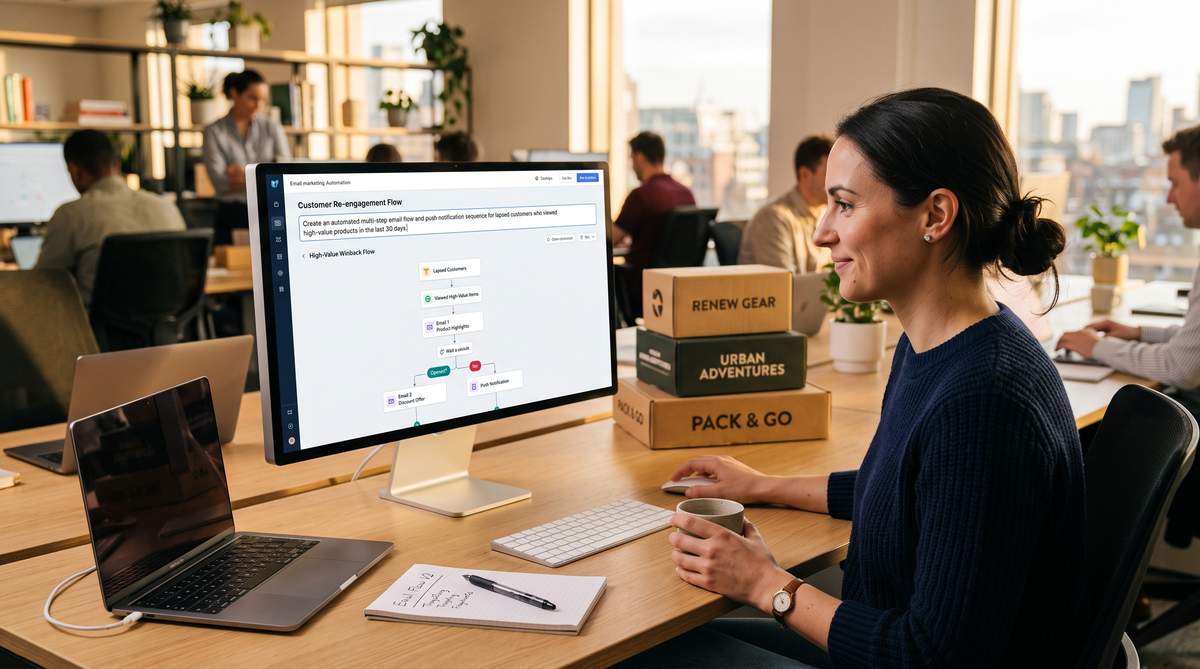
Once the audit completes, Ask Hercules shows you prioritized fixes. Not a 100-item wishlist: ranked actions designed to fix the specific gaps holding you back. You can implement through their UI: structured data templates, content research tools, AI-ready publishing workflows.
Ask Hercules runs on Muse Platforms' proprietary Crawl Readiness Index and KSM framework. The KSM framework evaluates whether AI systems can extract organizational information, recognize it as a distinct entity, and find credible proof of authority.
Pricing: Free 7-day trial, no credit card. Beyond that, pricing TBD on their site.
The strength: It's auditing-first. You see exactly what AI sees when it crawls your domain. The remediation UI is built for small teams: no engineers required.
The gap: No ongoing measurement. It's a snapshot audit, not a competitive tracker or monthly scoring system.
AI Trust Signals: The 19 Signals + Scoring Model
AI Trust Signals announced its Jarts.io acquisition and 2.0 launch on Aug 18, 2026, from Sheridan, Wyoming. Co-founders Patrick Moorhead and Marcus Sheridan (author of *They Ask You Answer*) built it on a different premise: *the same signals that make humans trust you make AI recommend you*.
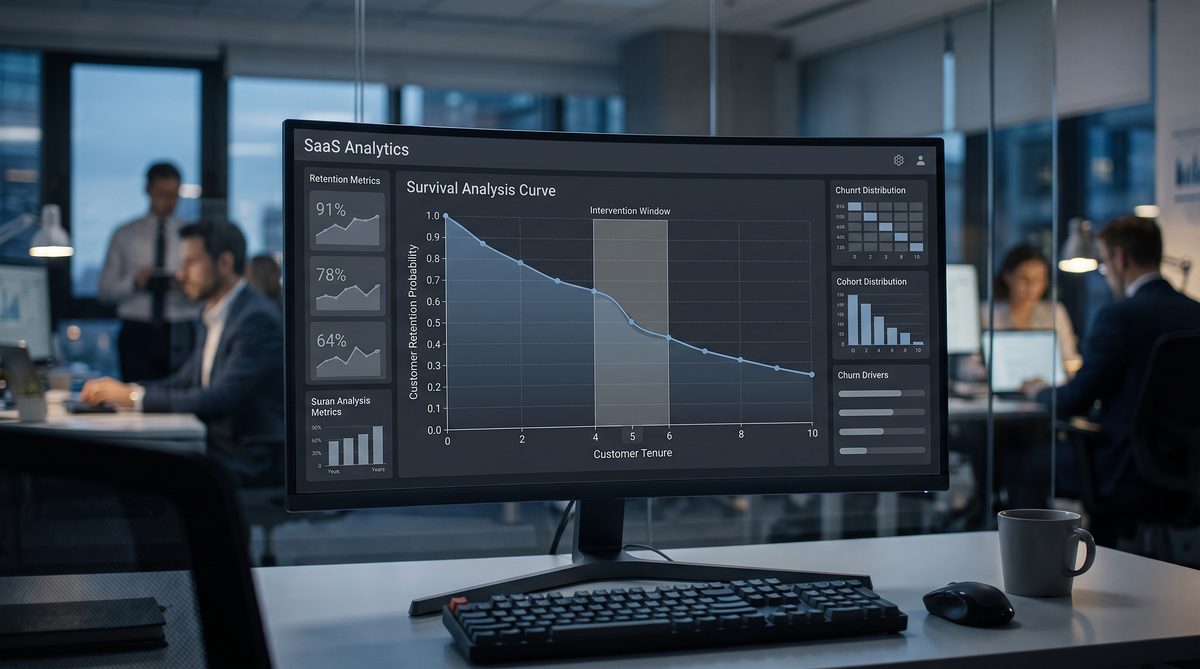
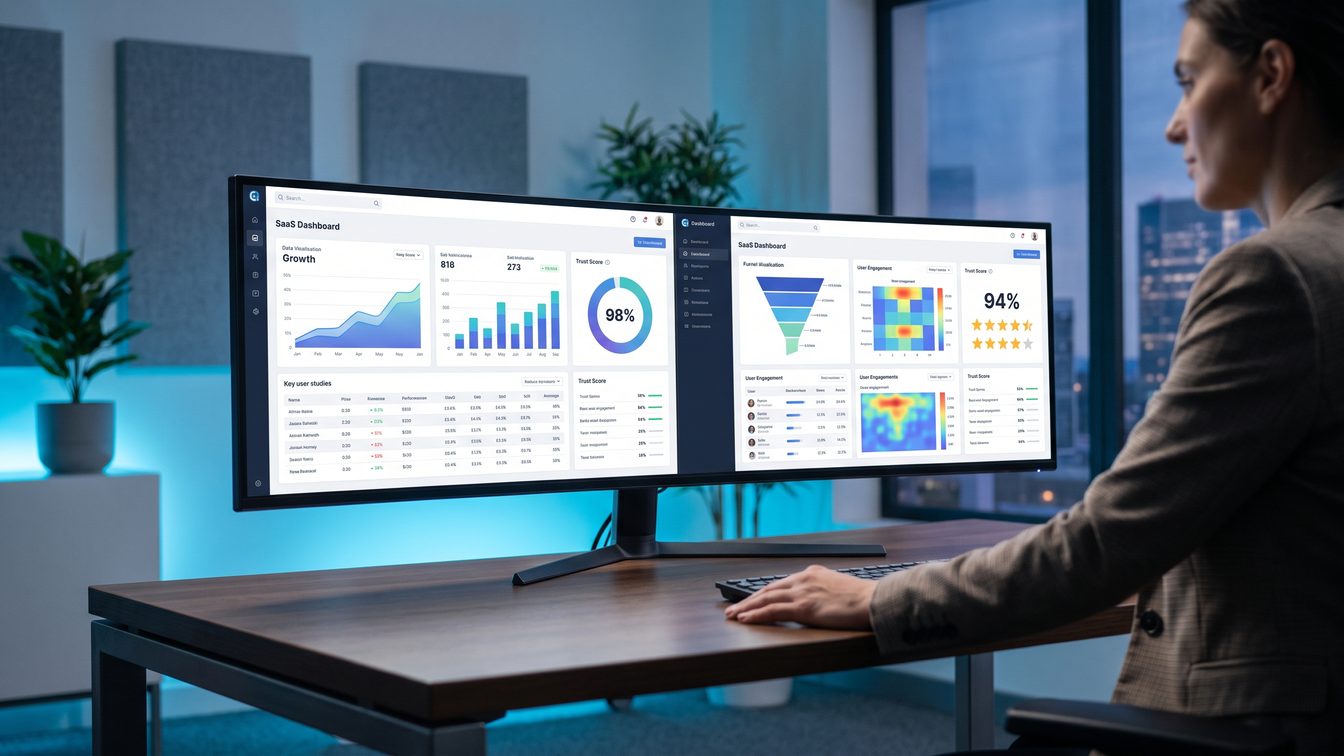
AI Trust Signals measures 19 granular trust signals across three tiers: Technical, Authority, and Brand. The platform produces a single AI Trust Signals Score (0–100) that predicts whether AI will recommend your business.
Since launching in September 2025, the platform has completed over 10,000 brand trust analyses and grown to 500+ subscribers. The critical benchmark: the average business scores 61/100: a range where AI is unlikely to recommend that business at all.
AI Trust Signals 2.0 includes three tools:
- Virtual Buyer: Simulates how an actual customer sees your brand through AI's eyes.
- Workbench: A 90-day action plan ranked by impact-to-effort ratio, built on Marcus Sheridan's buyer-trust methodology.
- Reputation Readout: Ongoing measurement of your score across the 19 signals.
Pricing: $25/month after a free 10-day trial. Done-for-you consulting available.
The strength: Ongoing scoring and competitive benchmarking. You see why AI skips you, not just whether it does. The Moorhead-Sheridan framework carries 20 years of content-marketing authority.
The gap: Narrower feature set than Ask Hercules. No direct content creation or structured data tools baked into the UI.
Head-to-Head Comparison
| Feature | Ask Hercules | AI Trust Signals | |---------|--------------|------------------| | Audit Coverage | ChatGPT, Claude, Gemini, Perplexity | ChatGPT, Claude, Gemini, Perplexity | | Scoring Model | 4 audit buckets (answerability, visibility, trust, crawl health) | 19 trust signals (Technical, Authority, Brand) | | Remediation Tools | Structured data, AI-ready content, question research, publishing UI | Workbench, action plans, done-for-you service | | Pricing | Free 7-day trial; full pricing TBD | $25/month (after 10-day trial) | | Ongoing Measurement | No: snapshot audit | Yes: monthly rescoring, competitive benchmarking | | Target Audience | Founder-led B2B, consultants, independent experts | SMBs, busy operators, agency clients | | Time to Insight | Hours (guided audit + fixes) | Days (score + 90-day playbook) | | Founder Positioning | Technical audit focus (entity recognition, crawl health) | Trust-signal focus ("same signals humans use") |
Who Should Pick Which
Choose Ask Hercules if:
- You need a fast audit today and want to fix things yourself.
- Your team has design/content chops to implement structured data and content changes.
- You're skeptical of pre-built frameworks and want to see exactly what AI sees on your site.
- You want to trial-run before paying.
Choose AI Trust Signals if:
- You want ongoing measurement and competitive benchmarking month-to-month.
- You need a clear roadmap (the 90-day Workbench) to avoid decision paralysis.
- You trust the Moorhead-Sheridan framework on buyer trust (spoiler: it works).
- You want done-for-you implementation and don't want to own the fix.
For consultants, the real question: which one actually moves your GEO/AEO score? Ask Hercules tells you *what* is broken. AI Trust Signals tells you *why* and *what to build* to fix it. If you're resource-constrained, Ask Hercules is the faster audit. If you're looking for a accountability partner and a repeatable playbook, AI Trust Signals owns that.
The Risk: Both Assume Your Content Is Findable
Neither platform fixes the upstream problem: if your website is behind a paywall, in a SPA (single-page app) that doesn't render on first load, or buried in PDFs, both tools will show poor scores. Ask Hercules will flag crawl health. AI Trust Signals will show it in the Technical tier signals. But they can't fix architecture.
Due diligence is non-negotiable here. Audit your site's technical foundation *before* running either tool. Bad markup, bad crawl depth, bad content architecture: these are your responsibility, not theirs.
FAQ
Q: Will these tools improve my Google rankings?
No. They're built for AI search, not SEO. Google still weights links and keyword relevance. AEO and GEO are orthogonal optimization problems. You need both, but these tools only address AI.
Q: What if I'm already ranked #1 in Google for my keywords?
Irrelevant. Google ranking doesn't predict AI recommendation. A business can dominate organic search and still be invisible to Claude. These tools measure a completely different graph.
Q: Do I need both?
Probably not for a first pass. Start with Ask Hercules's free trial to see the audit. If the fixes feel clear and doable, implement them. If you want ongoing accountability and a pre-built playbook, move to AI Trust Signals at $25/month.
Q: How long until these scores actually move my pipeline?
Assuming you implement fixes, 60–90 days minimum. AI models retrain on new crawls; OpenAI, Google, and Anthropic all have different update cadences. Patience required.
Q: Does Ask Hercules offer ongoing scoring like AI Trust Signals does?
Not in the current release. You get a one-time audit. You can re-audit after implementing fixes, but it's manual.
Doctrine Connection: Due Diligence Is Non-Negotiable
Both platforms are new. Ask Hercules has Muse Platforms' track record. AI Trust Signals has Moorhead-Sheridan's two-decade credibility in buyer trust and content strategy. But you're betting on their scoring models being *predictive of actual AI behavior*.
Before committing budget, run the free trials on your real website. Look at the audit findings. Ask yourself: *Does this match what I see when I actually ask ChatGPT about my business?* If the platform says you're invisible and Claude has never mentioned you, that's validation. If it says you're highly trusted but Claude skips you, it's a false positive: and you need a different tool.
Data's DNA framework says: Validate the source. Validate the methodology. Validate the signal. Both platforms are transparent about their methods, which is refreshing. But don't import their score as gospel until you've stress-tested it against your own real-world AI queries.
The consultants who win in 2026 aren't chasing tools. They're chasing clarity. Both of these platforms offer it. Pick the one that forces you toward action, not paralysis.
*Jeff Barnes has no personal position in any company, fund, or platform named in this article. demg.ai has no current commercial relationship with any party mentioned. demg.ai provides marketing education and operator strategy, not investment advice. Past performance does not guarantee future results.*