TL;DR: Manual estimating eats 1.75 to 4 hours per residential bid, and every day of delay after a homeowner asks for a quote drops your close rate by roughly 7%. AI estimate builders compress that window to minutes by turning photos and voice notes into structured line items. The contractors winning right now are not the ones with the fanciest trucks. They are the ones who answer first, with a number that holds up.
- Manual estimating takes 1.75 to 4 hours per bid according to EZ-Estimates, which is time you cannot bill and time a faster competitor uses to close the job first.
- Same-day quotes close at roughly 2x the rate of quotes delayed three or more days, per 2026 benchmark data from Krib.
- Photo-based AI estimating has caught real scope oversights worth thousands of dollars before they became change-order fights.
- Speed only pays off if the estimate is accurate. Fast and wrong loses more money than slow and right.
Most contractors lose jobs before they ever hit "send" on a proposal. The math is not complicated once you see it: manual estimating takes anywhere from 1.75 to 4 hours per residential bid, and that clock starts the moment a homeowner walks away from the walkthrough already comparing you to whoever calls back first. I did not learn this running a home service business. I learned it running damage control drills on a submarine, where the gap between "fast" and "fast and correct" was the whole game.
The 90-Minute Quote Is a Bottleneck, Not a Feature
Every contractor I talk to treats the estimate as paperwork. It is not paperwork. It is the first product you sell, before you sell the roof or the remodel or the install.
A homeowner does not experience your craftsmanship until the job is done. They experience your speed and your clarity the moment the quote lands in their inbox. If that takes two days, you have already told them something about how the rest of the relationship will go.
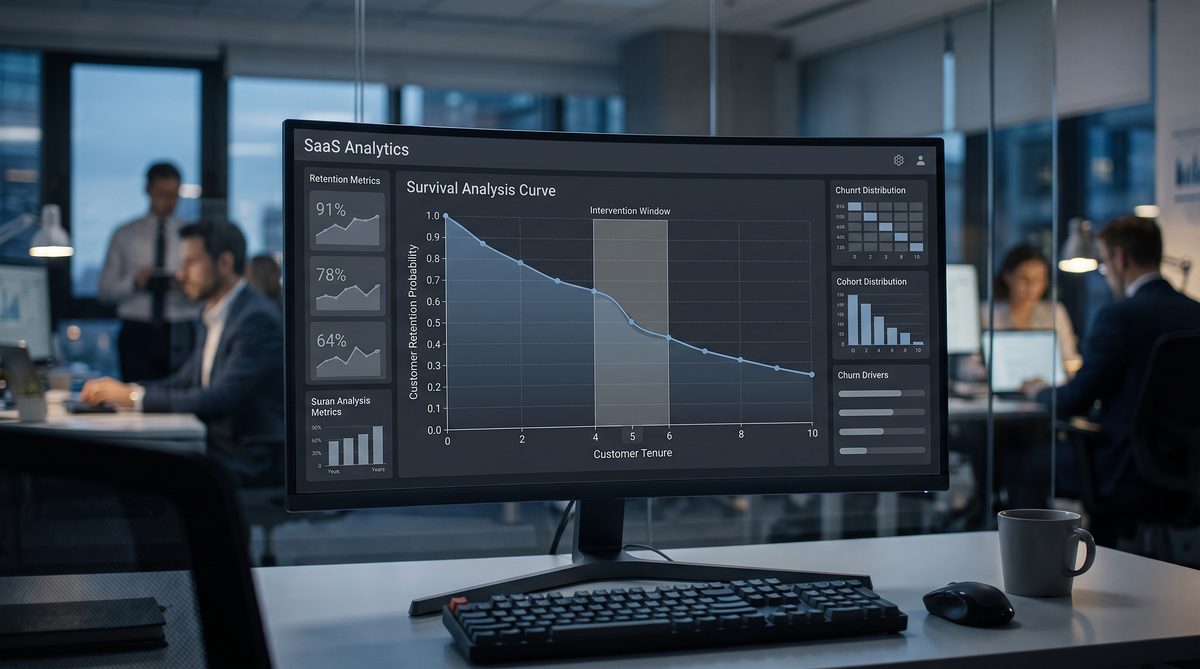
The data backs this up hard. According to Krib's 2026 home services benchmarks, same-day quotes close at roughly double the rate of quotes that take three or more days to arrive. Each additional day of delay drops the close rate by approximately 7%.
Stack three days of delay and you have given away nearly a quarter of your win probability before the customer even reads your number. That is not a sales problem. It is an operations problem wearing a sales costume.
Lead source matters too, and it compounds the timing problem. Krib's data shows referral leads convert at 50 to 70%, while marketplace leads (Angi, Thumbtack, HomeAdvisor) convert at only 10 to 20%. Referral leads already trust you. Marketplace leads are shopping five contractors at once, and the first clean, accurate quote usually wins the room.
Damage Control, Not Guesswork
On a submarine, when something goes wrong, you do not get to think about it for two days. You run the casualty drill, you diagnose fast, and you act. But here is what nobody tells you about damage control training: the emphasis is never just speed. It is speed with the right answer.
A fast response to the wrong problem sinks the boat just as surely as a slow response to the right one. We drilled until diagnosis and action happened at the same tempo, because the ship does not reward effort. It rewards correct action, fast.
Estimating works the same way. A contractor who fires off a quote in ten minutes without walking the full scope is not fast. He is guessing, and guessing shows up later as a change order fight or a margin that quietly evaporates.
The goal was never speed for its own sake. The goal is collapsing the time between "problem identified" and "correct action taken." AI estimating tools are the first technology that lets a home service business do both at once: fast and right, not fast instead of right.
What AI Estimating Actually Does
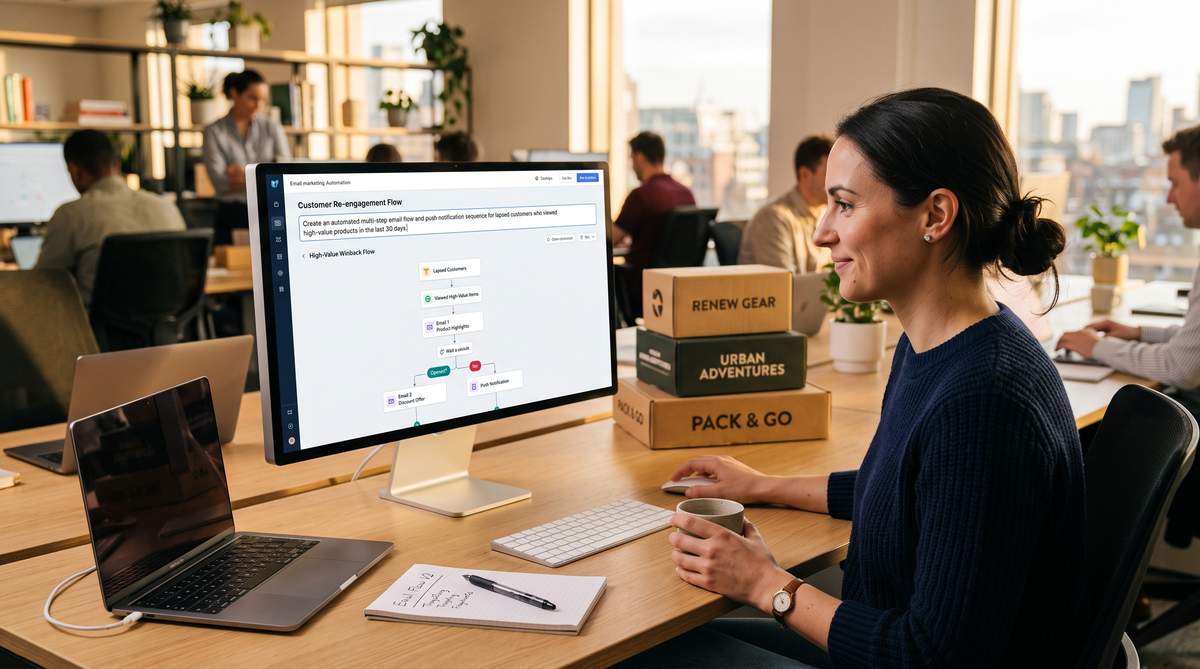
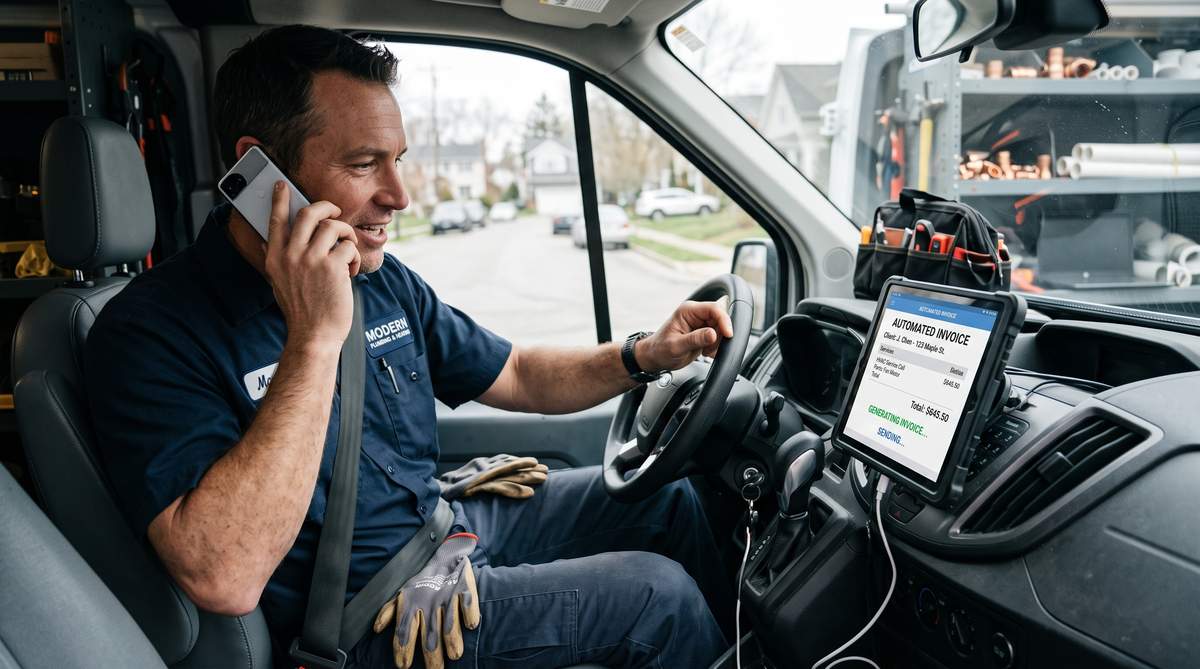
Strip away the marketing and the mechanism is simple. You walk the job with your phone, take photos, maybe record a voice note describing what you see. The system reads the images, cross-references material and labor pricing, and builds a structured estimate you can review and send. CompanyCam's AI tools generate field reports, checklists, and estimate drafts directly from job-site photos and voice notes, which means the estimator's job shifts from data entry to quality control.
That shift matters more than the time savings. A case study from Handoff documents a contractor whose photo-based estimating process caught a $2,500 scope item that would have been missed on a manual walkthrough, while also cutting total quoting time in half. That is the real trade you are making.
You are not just trading hours for minutes. You are trading a tired estimator's memory for a system that reviews every photo the same way, every time, and never skips a line item because it is Friday afternoon.
The roofing side of the industry has the sharpest numbers here. US Tech Automations reports that AI-assisted proposal generation is cutting roofing quote turnaround from 2 to 3 days down to under 15 minutes. That is not an incremental gain. That is a different business model, because a roofer who quotes in 15 minutes is competing against contractors who are still comparing themselves to yesterday's tools.
Rolling This Out Without Blowing Up Your Crew's Routine
Owners overthink adoption. You do not need to replace your CRM or retrain your whole crew in one week. Start with the estimator who already takes the most photos on a walkthrough and let that person pilot the workflow for two weeks. Measure the same two numbers before and after: hours per quote, and quote-to-close rate on the jobs that came through the new process.
The crews that resist this the hardest are usually the ones with the most to gain. A veteran estimator who has done this for twenty years does not want a tool second-guessing his memory. Fair.
But the tool is not second-guessing him, it is checking his work the same way a second set of eyes would, except it never gets tired on the fourth job of the day. Frame it as backup, not replacement, and the resistance mostly disappears.
Budget one full week for the team to get comfortable before you judge results. The first few estimates will feel slower than doing it the old way, because everyone is learning a new motion. That is normal. By the second week, the same estimator who grumbled about the new step is usually the one telling the rest of the crew to stop skipping it.
The ATLAS Model for Growth, Applied to Your Quote Process
I use a framework called the ATLAS Model for Growth to diagnose where a service business is bleeding money, and estimating is almost always where it starts. ATLAS stands for Assess, Triage, Layer, Automate, and Scale. Here is how it maps to your quoting process.
Assess. Time your last ten quotes from walkthrough to send. Most owners have never actually measured this. You cannot fix a bottleneck you have not clocked.
Triage. Rank your jobs by close probability. Referral leads converting at 50 to 70% deserve your fastest turnaround. Marketplace leads converting at 10 to 20% do not need the same white-glove speed, because the use there is volume, not intimacy.
Layer. Add photo and voice capture to every walkthrough, even before you adopt AI tools. You need the raw material before you can automate anything on top of it.
Automate. This is where the AI estimate builder lives. Photos and notes go in, a structured draft comes out, and your job becomes review and adjustment instead of building from scratch.
Scale. Once same-day quoting is your default, you can take on more leads without hiring another estimator. Speed becomes a growth lever instead of a stress point.
The Math That Actually Matters: Quote-to-Close
None of this matters if faster quotes are worse quotes. According to Digital Footprint Solutions, a healthy quote-to-close conversion rate sits between 30 and 40%. If speeding up your process drags that number down, you have not solved the bottleneck, you have moved it. The entire case for AI estimate builders rests on the fact that they improve both variables at once: they cut the hours per bid and, when built on photo and voice capture, they reduce the scope errors that cause quotes to fall apart during the job.
This is the part contractors get backwards. They think speed and accuracy trade off against each other, so they pick one. Damage control drills taught me the opposite: the tools and the reps are what let you have both.
A well-trained team is faster than an untrained one AND more accurate, because the training removes the hesitation and the guesswork at the same time. AI estimating is the training wheels for your entire estimating process, except they never come off. They just keep catching what a rushed human eye misses.
Think about what actually drives a bad quote-to-close number. It is rarely price. It is usually a missed line item that turns into a change order, or a slow turnaround that lets a homeowner cool off and call the next name on the list.
Fix the speed and the accuracy at the same time and you are not just winning more jobs, you are winning cleaner jobs with fewer disputes at the back end. That compounds. A contractor with a 35% close rate and clean scopes builds a very different balance sheet over five years than one stuck at 20% with constant change-order fights.
Doctrine Connection: Competence Beats Credentials
Nobody asks to see your certifications before they let you fix their roof. They ask if you show up, if your number is right, and if the job matches the quote. Competence is measured in outcomes: close rate, quote-to-close ratio, scope accuracy, days to send. An AI estimate builder does not replace your competence.
It removes the friction that was hiding it. The contractor who was always good at scoping a job correctly, but slow, now looks as sharp on paper as he actually is in the field. That is the whole game: let your systems make your competence visible faster than your competitor's credentials can.
Frequently Asked Questions
Does an AI estimate builder replace the need to walk the job in person?
No. The walkthrough still happens. What changes is what you do during and after it: you capture photos and voice notes instead of scribbling measurements, and the system turns that raw material into a structured draft you review before sending. The human judgment on scope and pricing stays with you.
What is the realistic time savings for a small contracting business?
Based on the roofing data from US Tech Automations, proposal turnaround has dropped from 2 to 3 days down to under 15 minutes in some workflows. Most home service businesses land somewhere between those numbers depending on job complexity, but even a conservative estimate puts most contractors quoting in under an hour instead of the 1.75 to 4 hours EZ-Estimates documents for manual bids.
Will faster quoting hurt my quote-to-close rate?
It should not, if the system is built on photo and voice capture rather than guesswork. The goal is to cut the hours, not the diligence. Track your quote-to-close rate before and after adoption. If it drops below the 30 to 40% healthy range that Digital Footprint Solutions documents, the tool is not doing its job and you need to add a manual review step back in.
Which jobs benefit most from same-day AI-generated quotes?
Marketplace leads benefit the most from speed, because you are one of five contractors being compared in real time and the first clean quote usually wins. Referral leads already trust you, so speed matters less than thoroughness, though a same-day quote never hurts.
Jeff Barnes is the founder of Digital Evolution Marketing Group and Angel Investors Network. DEMG provides marketing systems and AI operations consulting for owner-operators. This article reflects operational experience and publicly available data. It is not financial, legal, or investment advice. Tools and platforms mentioned are not sponsored endorsements. Verify all claims, run your own numbers, and consult qualified professionals before acting.